

A career as a cabin crew professional can be exciting, dynamic, and rewarding. From meeting people from different cultures to travelling across destinations, the profession offers an opportunity to build strong communication, customer service, and interpersonal skills.
However, getting started in this competitive industry requires the right preparation. Choosing the right aviation training institute can play an important role in helping aspiring cabin crew candidates develop the skills and confidence required for the aviation industry.
With numerous training institutes offering cabin crew courses, it can be difficult to know which one is right for you. Here are some important factors to consider before making your choice.
1. Check the Course Curriculum
The first thing to evaluate is the curriculum offered by the aviation training institute. A good cabin crew programme should cover more than just grooming and personality development.
Look for training that includes areas such as cabin crew responsibilities and procedures, aviation and airline industry basics, passenger handling and customer service, in-flight safety and emergency procedures, first aid and basic medical awareness, communication and English language skills, grooming and professional presentation, interview and group discussion preparation, and hospitality and service etiquette.
A comprehensive curriculum can help you develop both technical awareness and the soft skills required to work in a cabin crew environment.
2. Look at the Trainers' Experience
The quality of training depends significantly on the people delivering it. Before enrolling, find out about the institute's trainers and their professional backgrounds.
Trainers with relevant aviation, hospitality, customer service, or airline experience may be able to provide practical insights into workplace expectations. They can also help students understand how cabin crew operations work beyond what is covered in textbooks.
At Career Runway By Shivani, you are provided with practical activities, role-plays, mock situations, and interview simulations as part of the programme.
3. Evaluate Practical Training Opportunities
Cabin crew members need to remain calm and professional while dealing with different situations. Practical training can therefore be an important part of preparation.
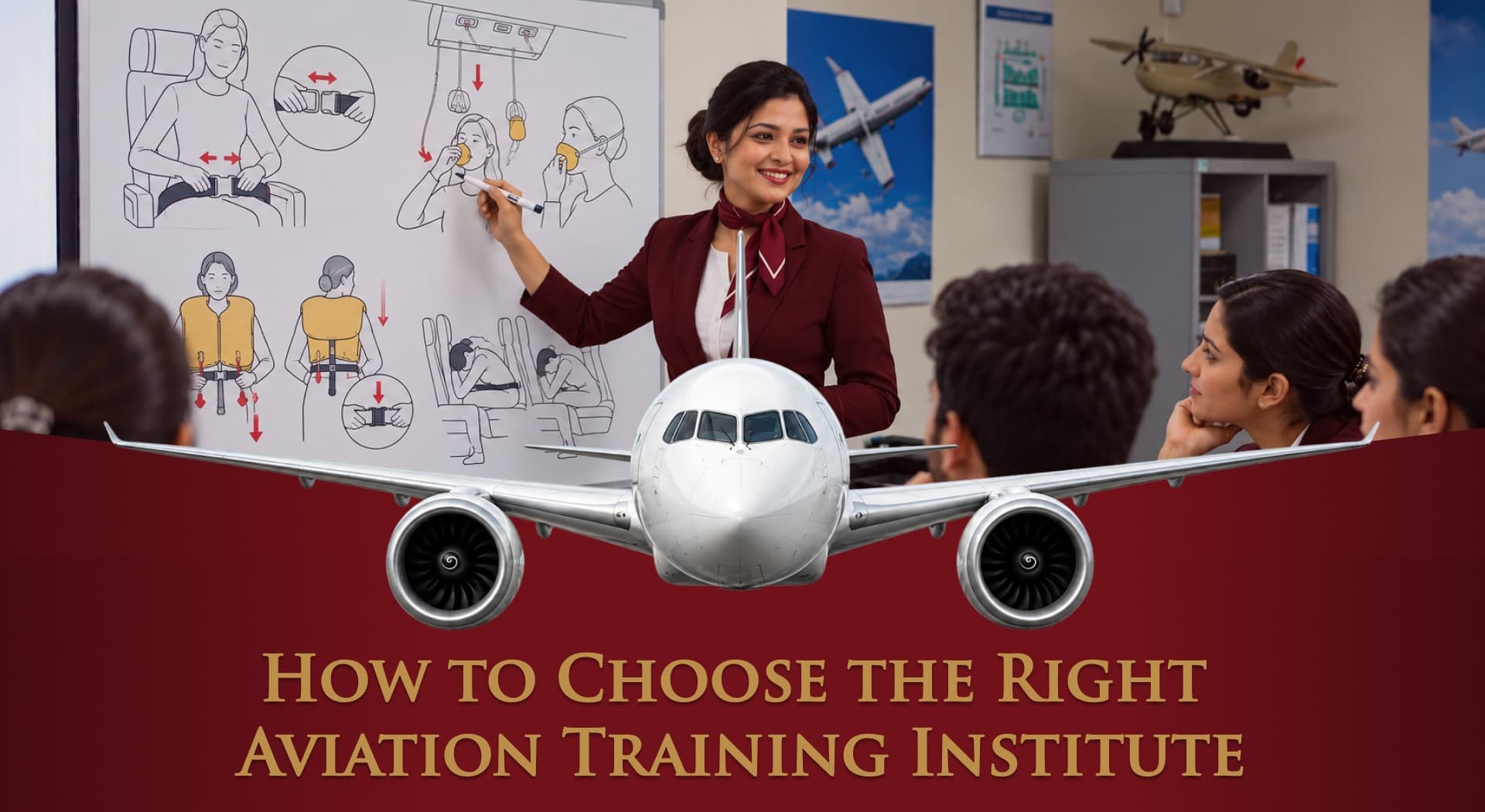
When comparing an aviation training institute, ask about the facilities and activities available to students. Simulated cabin environments, safety demonstrations, emergency procedure practice, communication exercises, and passenger-handling scenarios can make training more interactive and industry-oriented.
The objective should be to help students become comfortable applying what they learn rather than simply memorising information.
4. Consider Industry Exposure
The aviation industry is constantly evolving, and exposure to current industry practices can add value to your training. Find out whether the institute organises industry interactions, guest sessions, workshops, airport visits, or career seminars.
Such opportunities can help students understand professional expectations and gain a broader perspective on careers within aviation and hospitality.
5. Check Eligibility and Course Duration
Before enrolling, make sure you meet the institute's eligibility requirements. These may include educational qualifications, age criteria, language skills, and other requirements depending on the course.
You should also understand the course duration, class schedule, assessment method, and certification offered after completion. Comparing these details across different institutes can help you choose a programme that fits your educational and career plans.
6. Research Reviews and Reputation
An institute's reputation can provide useful information about the student experience. Research online reviews and, where possible, speak to current or former students.
Instead of relying only on promotional claims, look for information about teaching quality, faculty support, facilities, attendance requirements, practical training, and career guidance.
You should also verify the institute's address, course details, fees, refund policies, and certification information before making a payment.
7. Compare Fees Carefully
Course fees are important, but they should not be the only factor influencing your decision. A cheaper course may not necessarily provide the same training facilities, practical exposure, or student support as another programme.
Create a comparison of the total cost, course duration, facilities, curriculum, training methods, certification, and career support. Also check whether additional expenses such as uniforms, study materials, examination fees, or other charges are included.
8. Focus on Skills You Will Actually Use
Cabin crew professionals interact with passengers from different backgrounds and must maintain a professional approach in a variety of situations. Therefore, your training should help you develop practical skills such as communication, teamwork, problem-solving, confidence, adaptability, and customer service.
An aviation training institute should ideally create opportunities for students to practise these skills through presentations, role-plays, discussions, mock interviews, and simulated passenger interactions.
FREQUENTLY ASKED
QUESTIONS
Begin Your Aviation Journey with the Right Preparation
Choosing the right aviation training institute is an important step for anyone planning a cabin crew career. Instead of selecting an institute based solely on advertisements, fees, or promises of employment, evaluate its curriculum, trainers, practical training, facilities, career guidance, and overall learning environment.
The right training can help you understand the aviation industry, strengthen your professional skills, and prepare more confidently for airline recruitment processes. Ultimately, your own dedication, communication skills, attitude, and preparation will also play a significant role in building a successful cabin crew career.
For aspiring aviation professionals, taking the time to research and compare training institutes can be the first step towards turning an interest in flying and hospitality into a structured career path with Career Runway By Shivani.

